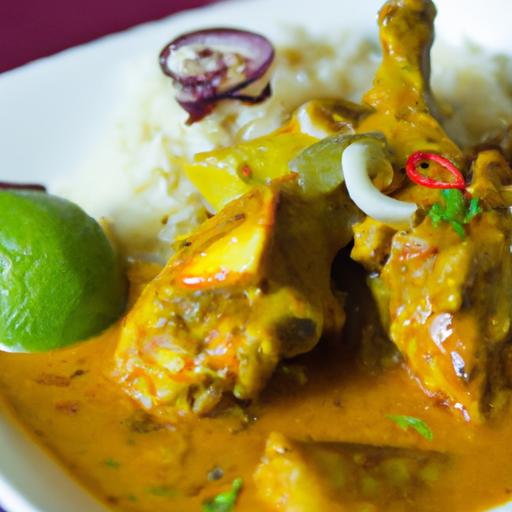


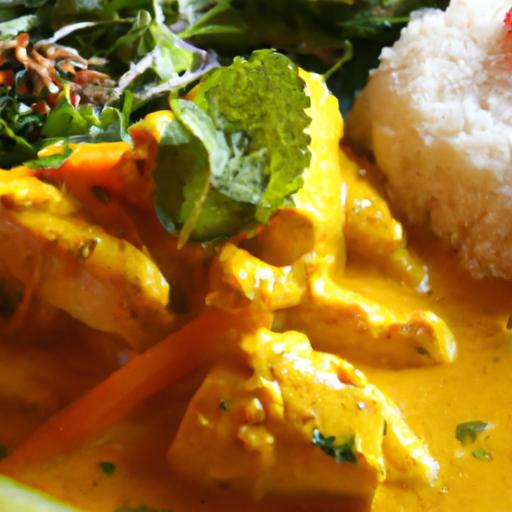
Beneath the luscious, creamy veil of coconut curry chicken lies a vibrant tapestry of fiery flavors and rich history waiting to be uncovered. This beloved dish, with its harmonious blend of heat and sweetness, is more than just a comforting meal-it’s a culinary storybook that spans continents and cultures. From the sun-drenched spice markets where chilies sizzle alongside coconut palms, to the kitchens where generations have perfected the alchemy of bold spices and tender chicken, tracing the roots of spicy coconut curry chicken invites us on a journey through time, tradition, and taste. Join us as we explore the origins and evolution of this iconic dish, revealing the passionate fire that brings it to life.
Tracing the fiery roots of spicy coconut curry chicken reveals a rich tapestry of culinary history that dates back centuries. This vibrant dish, known for its perfect harmony of bold heat and luscious creaminess, has traveled through regions, absorbing local flavors while maintaining its fiery soul. The marriage of aromatic spices and creamy coconut milk provides a sensory journey, evoking both warmth and comfort in every bite.
Prep and Cook Time
- Readiness: 20 minutes
- Cooking: 45 minutes
- Total Time: 1 hour 5 minutes
Yield
Serves 6 generous portions
Difficulty Level
Medium – approachable even for home cooks eager to explore complex flavors
Key Ingredients That Ignite the Flavor Profile
The secret to this dish’s captivating flavor begins with a handful of carefully chosen ingredients, each contributing a distinct note to the overall melody. Fresh ginger and garlic provide a zesty backbone, while cumin, coriander, and turmeric create that classic earthy warmth. The essential star, naturally, is rich and creamy coconut milk, which balances the heat of red chili paste with a silky finish. Diced chicken thighs absorb the spices beautifully, yielding tender, juicy morsels infused with complexity.
Ingredients
- 2 tbsp vegetable oil
- 1 large onion, finely chopped
- 4 cloves garlic, minced
- 1 tbsp fresh ginger, grated
- 2 tbsp red chili paste (adjust based on desired heat)
- 1 tsp ground turmeric
- 2 tsp ground coriander
- 1 tsp ground cumin
- 1 tsp paprika
- 1 can (400 ml) full-fat coconut milk
- 1 cup chicken broth (low sodium)
- 1.5 lbs (700g) boneless, skinless chicken thighs, cut into chunks
- 1 tbsp brown sugar
- 1 tbsp fish sauce or soy sauce for umami depth
- Fresh lime juice (from 1 lime)
- Salt and freshly ground black pepper, to taste
- Fresh cilantro or Thai basil, chopped, for garnish
Regional Variations and Their Unique Touches
Across Southeast Asia and the Indian subcontinent, spicy coconut curry chicken wears many hats. In Southern India, mustard seeds and curry leaves often add brightness and an herbal edge, while Thailand incorporates kaffir lime leaves and galangal for an intoxicating citrus aroma. Malaysian renditions may introduce tamarind or lemongrass for a tangy lift, and Sri Lankan versions often blend in roasted curry powders with a hint of sweetness from jaggery. Each variant embraces the same core concept but narrates its own story through local spices and ingredients.
Mastering the Perfect Balance of Heat and Creaminess
Finding the ideal balance between fiery spice and luscious creaminess is key. Begin gently by toasting your whole spices or sautéing your chili paste until fragrant but not burnt. Gradually add coconut milk and chicken broth to tame the heat without muting it. Adjusting the chili paste quantity and incorporating a touch of brown sugar helps round off sharp edges, while lime juice slices through the richness with a refreshing tang. Stir gently, letting the sauce thicken, and taste frequently for an empowering control over your fiery coconut curry chicken masterpiece.
Instructions
- Heat the vegetable oil in a large, heavy-bottomed skillet over medium heat. Add the chopped onion and sauté until soft and translucent, about 5 minutes.
- Add the minced garlic and grated ginger, sautéing for another 2 minutes until aromatic but not browned.
- Mix in the red chili paste, turmeric, coriander, cumin, and paprika. Cook, stirring constantly, for 2-3 minutes to release the spices’ fragrances.
- Pour in the coconut milk and chicken broth, stirring to combine. Bring to a gentle simmer.
- Add chicken thigh chunks,ensuring they are submerged in the sauce. Stir in the brown sugar and fish sauce.
- Reduce heat to low, cover, and cook gently for 35-40 minutes, stirring occasionally. The sauce will thicken and chicken will become tender.
- Uncover, increase heat slightly, and simmer for an additional 5 minutes to reduce sauce to preferred consistency. Season with salt,pepper,and lime juice.
- Garnish with freshly chopped cilantro or Thai basil before serving.
Chef’s Notes
- Substitution tip: Chicken breasts can be used but may result in a drier texture compared to thighs.
- Heat adjustment: Start with 1 tbsp of chili paste if you prefer moderate spiciness and add more to taste towards the end.
- Make-ahead: This curry tastes even better the next day; refrigerate and gently reheat, adding splash of coconut milk if needed.
- Vegetarian option: Swap chicken for firm tofu or mixed vegetables like eggplant and bell peppers.
Serving Suggestions
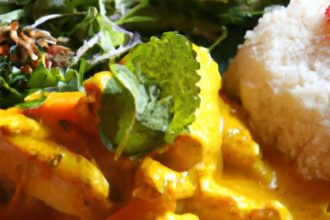
Serve this rich and spicy curry alongside fragrant jasmine rice or warm, buttered naan to soak up the velvety sauce. For a crunchy contrast, sprinkle toasted cashews or crispy fried shallots on top. Offer lime wedges for an added burst of acidity, and a small side of cooling cucumber raita or pickled vegetables provides balance, enhancing the fiery yet creamy experience. This dish truly shines when presented with vibrant garnishes that excite the eyes as much as the palate.
| Nutrient | Per Serving |
|---|---|
| Calories | 420 kcal |
| Protein | 32 g |
| Carbohydrates | 10 g |
| Fat | 28 g |

Learn more about southeast Asian spice blends in our Exploring Southeast Asian Spices guide. For historical context on curry origins, visit Britannica’s curry article.
Q&A
Q&A: Tracing the Fiery Roots of Spicy Coconut Curry Chicken
Q1: What makes spicy coconut curry chicken a beloved dish around the world?
A1: Spicy coconut curry chicken captivates the palate with its harmonious blend of heat, creaminess, and aromatic spices. The richness of coconut milk tempers the fiery chili, creating a perfectly balanced dish that resonates across cultures. Its worldwide appeal lies in this dance between spicy and soothing flavors, making it both comforting and exciting.
Q2: Where did the tradition of combining coconut milk and curry originate?
A2: The marriage of coconut milk and curry traces back to the tropical regions of South and Southeast Asia, notably india, Thailand, and Malaysia. Coconut trees flourish in these warm climates, and local cooks began incorporating the sweet, creamy milk into their spice-laden curries. This fusion arose organically, blending indigenous ingredients with Indian spice blends brought through historic trade routes.
Q3: How did spicy elements become integral to coconut curry chicken?
A3: Spiciness in coconut curry chicken is largely rooted in the indigenous use of chili peppers, which were introduced to Asia from the Americas in the 16th century. Locals embraced the fiery fruit,integrating it with traditional masalas and spice pastes. Over centuries, the heat level evolved alongside local taste preferences, often combined with warming ingredients like ginger, garlic, and turmeric.
Q4: What cultural influences have shaped the evolution of spicy coconut curry chicken?
A4: This dish is a flavorful tapestry woven from diverse cultural threads-Indian traders brought complex spice blends, Southeast Asian cooks adapted them with local herbs and coconut, and colonial-era exchanges introduced new ingredients and cooking methods. Each region added its signature twist, from the tangy tamarind accents of Tamil Nadu to the fragrant lemongrass of Thailand.
Q5: Why is chicken commonly paired with spicy coconut curry?
A5: Chicken’s mild flavor and tender texture provide the perfect canvas for rich, spiced coconut curry. It absorbs the intricate flavors without overpowering them, making it a versatile protein choice. Additionally, chicken’s widespread availability and quick cooking time helped cement its role as the go-to meat in coconut curry dishes.
Q6: How can tracing the fiery roots of this dish deepen our thankfulness of its flavors?
A6: Understanding the history and cultural journey of spicy coconut curry chicken invites us to savor it not just as a meal, but as a story-the story of ancient trade routes, botanical discoveries, and culinary creativity. Every bite is a party of human connection and innovation, making the dish all the richer and more meaningful.
Q7: What modern twists are chefs adding to spicy coconut curry chicken?
A7: Contemporary chefs experiment by fusing global flavors-adding ingredients like kaffir lime leaves, roasted peanuts, or even smoky chipotle peppers. Some swap chicken for plant-based proteins or bake curries into pies, while others balance spice with unexpected sweetness from fruits like mango or pineapple. Each innovation honors tradition while inviting new taste adventures.
Whether your a spice lover, a culinary historian, or an adventurous eater, tracing the roots of spicy coconut curry chicken reveals a vibrant world of flavor, culture, and history simmering in every pot.
The Way Forward
As the final aroma of spicy coconut curry chicken lingers in our senses, we come to appreciate that this beloved dish is more than just a flavorful meal-it is indeed a rich tapestry woven from centuries of culinary traditions, cultural exchanges, and fiery inspirations. Tracing its roots reveals a journey through tropical coasts and bustling spice markets, where heat and creaminess dance in harmonious balance. So,the next time you savor a spoonful of this vibrant curry,remember you’re tasting history itself-a bold,fragrant story steeped in heritage and passion.