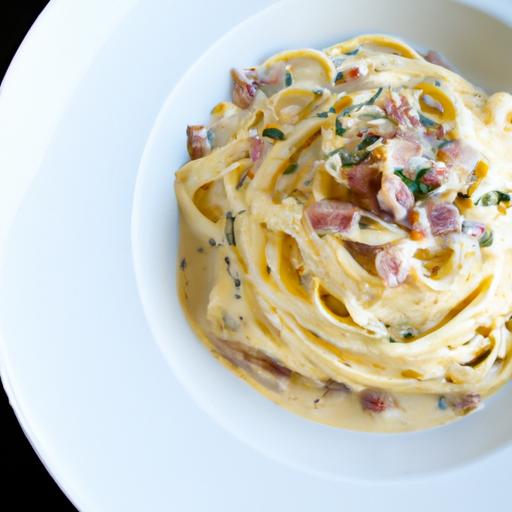


In the heart of Italian cuisine lies a dish as simple as it is sublime: carbonara. This creamy classic, with its silky sauce and comforting blend of flavors, has captured the palates of food lovers worldwide. Yet, behind its seemingly straightforward facade, carbonara holds secrets handed down through generations-techniques and traditions that elevate it from mere pasta to an art form. Join us as we unlock the mysteries of Italy’s beloved carbonara, exploring its rich history, authentic ingredients, and the subtle craftsmanship that makes each creamy bite unforgettable.
Unlocking Carbonara offers a captivating journey into Italy’s beloved creamy classic, revealing the rich heritage and delicate art behind every luscious forkful. Originating from the heart of Rome, this dish beautifully blends humble ingredients into an iconic symphony of flavors. As a culinary staple, carbonara has evolved distinctively through generations, and mastering its velvety sauce balance is key to capturing the authentic spirit so many adore worldwide.
Prep and Cook Time
Preparation: 10 minutes
Cooking: 15 minutes
Yield
Serves 4 hearty portions
Difficulty level
Medium – Requires careful timing and technique to achieve perfect creaminess without scrambling the eggs.
ingredients
- 400g spaghetti (or customary rigatoni for a classic Roman touch)
- 150g guanciale, diced (cured pork cheek – essential for authentic flavor)
- 3 large egg yolks (room temperature for smooth emulsification)
- 1 whole large egg
- 1 cup finely grated Pecorino Romano cheese (freshly grated for optimal melting)
- Freshly ground black pepper (coarse, for a spicy punch)
- Salt, for the pasta water only
Instructions
- Bring a large pot of salted water to a boil. Cook the spaghetti until al dente, usually 8-9 minutes, stirring occasionally to prevent sticking.
- Simultaneously occurring, in a large skillet over medium heat, sauté the diced guanciale until the fat renders and the pieces become crisp and golden, about 5 minutes.Remove from heat and keep warm.
- In a mixing bowl, whisk together the egg yolks, whole egg, and Pecorino Romano cheese until combined into a creamy, thick batter. Add a generous amount of freshly ground black pepper.
- Once pasta is al dente, reserve about 1 cup of the starchy cooking water and drain the spaghetti quickly.
- Transfer the hot pasta immediately to the skillet with guanciale, tossing to coat in the rendered fat.
- Remove the skillet from heat and slowly pour in the egg and cheese mixture, stirring briskly to create a silky sauce that clings to the pasta strands. Add reserved pasta water, a few tablespoons at a time, to reach the perfect creamy consistency without scrambling the eggs.
- Adjust seasoning with black pepper and a little Pecorino if desired.
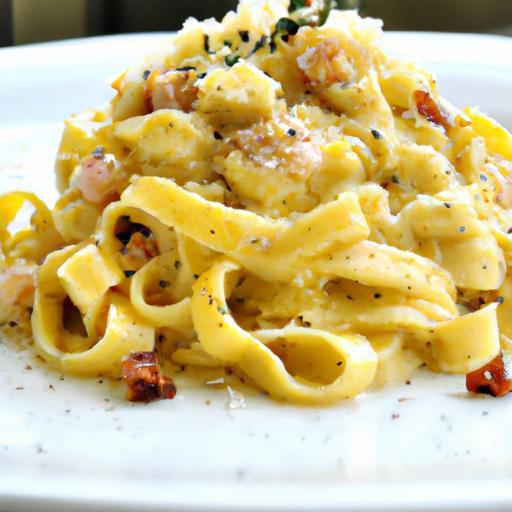
- Serve immediately, garnished with additional Pecorino Romano and a dusting of cracked black pepper for that iconic Roman finish.
Tips for Success
- Use guanciale instead of pancetta or bacon. Its unique fattiness and texture are irreplaceable for authentic carbonara.
- Never add cream. Traditional carbonara relies solely on eggs and cheese to achieve its creamy texture.
- Temper the sauce carefully. Stir the egg mixture off the heat and incorporate pasta water gradually to prevent curdling.
- Work swiftly. Carbonara waits for no one – combine and serve immediately to enjoy its sublime lusciousness.
- For a make-ahead shortcut, prepare the guanciale in advance and warm gently just before assembly.
Serving Suggestions
Present your carbonara in shallow bowls to showcase the glistening strands coated in golden sauce. A final sprinkle of Pecorino Romano gives a snowy contrast, while a few twists of fresh black pepper add aromatic complexity. Pair with a crisp Italian white wine like Frascati for a perfect dining harmony. A simple green salad with lemon vinaigrette is a refreshing counterpoint to balance richness.

| Nutrient | Per Serving |
|---|---|
| Calories | 620 kcal |
| Protein | 28 g |
| Carbohydrates | 70 g |
| fat | 22 g |
For deeper insights into traditional Roman pasta sauces, explore this detailed academic resource on Italian culinary history.
Q&A
Q&A: Unlocking Carbonara – Secrets of Italy’s Creamy Classic
Q: What makes Carbonara so uniquely Italian?
A: Carbonara is a soulful symphony of simple ingredients that captures the essence of Italian cucina povera-turning pantry staples into a dish of luxurious comfort. Born in Rome, it speaks the language of tradition, where eggs, cured pork, Pecorino Romano cheese, and black pepper unite to create creamy magic without a drop of cream.
Q: why doesn’t authentic Carbonara include cream?
A: The creaminess of Carbonara comes from the delicate emulsion of egg yolks and cheese,gently coaxed by the heat of the pasta water.Adding cream masks this silky texture and overshadows the nuanced flavors, diluting the artisanal purity that defines the dish.
Q: What type of pork is traditionally used and why?
A: guanciale, pork jowl cured with salt and spices, is the authentic choice. Its rich, fatty profile melts into the pasta, infusing it with a smoky-salty depth unattainable with pancetta or bacon.Guanciale’s unique texture and flavor are key to Carbonara’s irresistible allure.
Q: How do you achieve that perfect creamy sauce without scrambling the eggs?
A: Timing and temperature are everything. Pasta should be sizzling yet not scorching when mixed with the egg and cheese mixture. Toss quickly off the heat, letting residual warmth gently cook the eggs into a silky cloak that clings to every strand-no scrambling, just velvety harmony.Q: Can you use othre cheeses besides Pecorino Romano?
A: Pecorino Romano is the classic choice,offering tangy,sharp notes with a salty bite.However, some recipes blend Pecorino with Parmigiano-Reggiano to balance sharpness with nuttiness. The key is to use aged, hard cheeses that melt into the sauce gracefully and elevate the flavor.
Q: Is Carbonara suitable for a fast weeknight dinner?
A: Absolutely! Carbonara is the epitome of quick gourmet. With just a handful of ingredients and under 20 minutes from start to finish,it’s a culinary secret weapon for busy nights-a fast track to italian indulgence right at home.
Q: are there common mistakes to avoid when making Carbonara?
A: Definitely.The biggest pitfalls include overheating the eggs causing scramble,using the wrong pork,or adding too much cheese,which can thicken the sauce excessively. also, skipping the pasta water can rob the sauce of its smooth texture, so always reserve some starchy cooking water to perfect your blend.
Q: How has Carbonara evolved over time?
A: While honoring tradition, Carbonara has inspired countless riffs worldwide-adding peas, cream, or vegetables-but purists hold tight to the original formula. Its evolution mirrors culinary innovation, yet its heart remains pure: simplicity meeting indulgence, a dish that tells the story of Rome’s vibrant food culture.
Q: What’s the best pasta shape for Carbonara?
A: Spaghetti reigns supreme, its slender strands capturing the sauce effortlessly. However, fettuccine, bucatini, or rigatoni also work beautifully, offering slightly different textures and holding the creamy sauce in unique ways-each bite a new experiance in classic comfort.
Q: what is the secret ingredient that makes Carbonara unforgettable?
A: The soulful interplay of technique and quality ingredients is the ultimate secret. beyond the basic quartet, patience in technique-the gentle folding of eggs into pasta, the right balance of salt and pepper-transforms humble components into a dish that’s nothing short of an Italian treasure.
Concluding Remarks
As the final strands of pasta twirl on your fork and the rich, velvety sauce coats each bite, you begin to understand why carbonara holds a cherished place in Italy’s culinary heart. Beyond its simple ingredients lies a timeless dance of technique and tradition-a tasty testament to the magic of restraint and respect for quality. Whether you’re a seasoned cook or a curious novice, unlocking the secrets of carbonara invites you to savor not just a meal, but a story woven through generations. So next time you gather around the table, remember: in every creamy, pepper-kissed forkful, you’re tasting a piece of Italy itself. Buon appetito!